
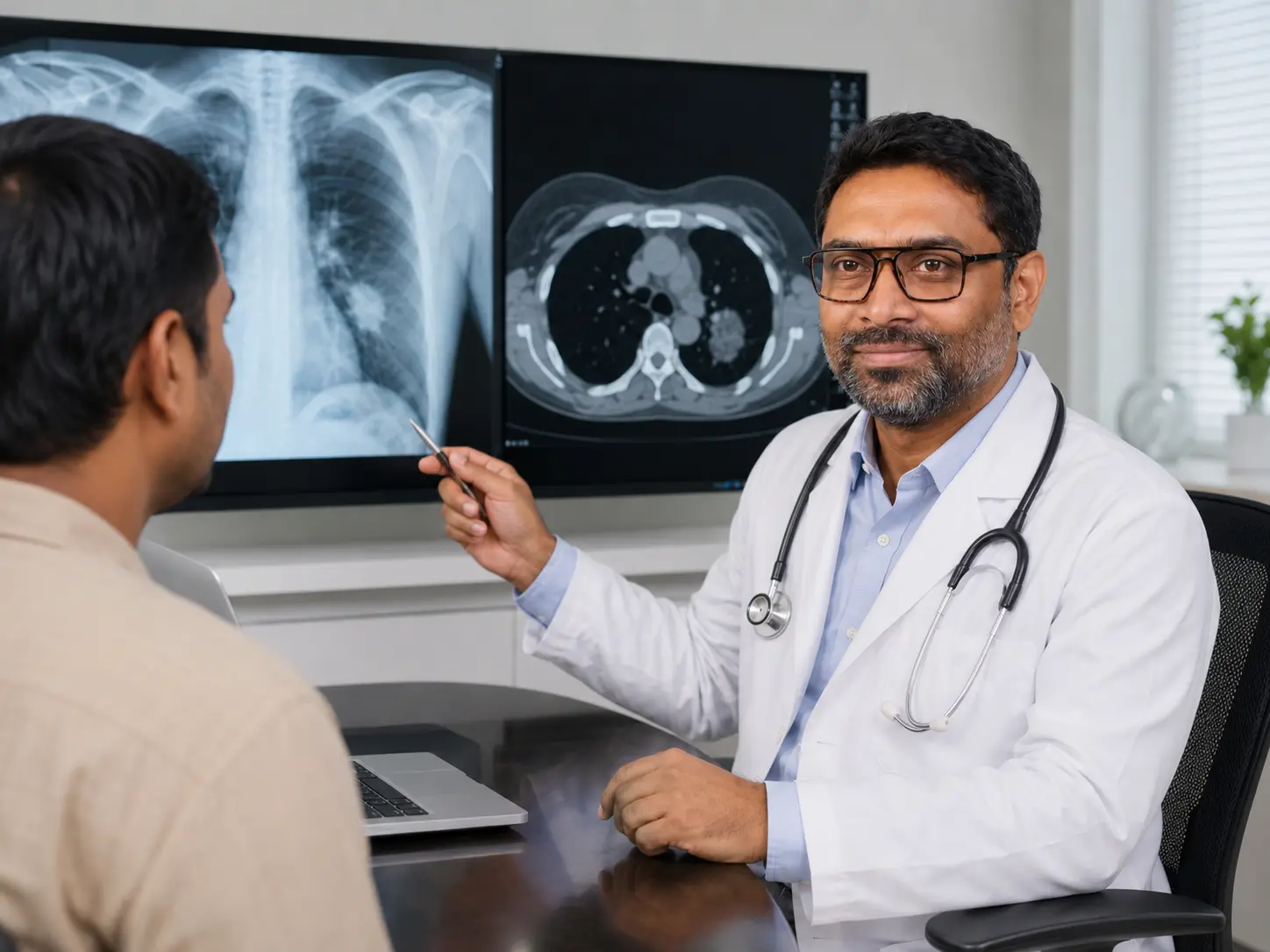
 By Dr Rafiqul Islam
Lung Cancer: Why Early Evaluation Matters
Lung cancer is one of the most important cancers worldwide. It can affect smokers and non-smokers, men and women, and patients from different age groups. According to WHO, lung cancer was among the most common cancers globally in 2022 and also the leading cause of cancer death worldwide.
For patients in Bangladesh, proper diagnosis, staging, and treatment planning are essential. Delayed evaluation can make treatment more difficult, while early specialist consultation can help patients understand their options more clearly.
Common Symptoms of Lung Cancer
Lung cancer may not always cause symptoms in the early stage. When symptoms appear, they may include:
- Cough that does not go away
- Coughing blood or blood in sputum
- Chest pain or discomfort
- Shortness of breath
- Wheezing or hoarseness
- Loss of appetite
- Unexplained weight loss
- Fatigue
These symptoms can also occur due to non-cancer causes, but persistent symptoms should be checked by a doctor.
How Lung Cancer Is Diagnosed
Diagnosis usually begins with a clinical evaluation, medical history, physical examination, and imaging tests. If lung cancer is suspected, a biopsy is usually required to confirm the diagnosis. After confirmation, staging tests help determine whether the cancer is limited to the lung, has involved lymph nodes, or has spread to other parts of the body.
Staging is important because treatment for early-stage disease is different from treatment for advanced-stage disease.

Modern Lung Cancer Treatment Options
Treatment depends on cancer type, stage, molecular profile, patient fitness, symptoms, and treatment goals. Options may include:
- Surgery for selected early-stage cases
- Radiotherapy in specific situations
- Chemotherapy
- Targeted therapy
- Immunotherapy
- Palliative and supportive care
- Symptom control and follow-up planning
In non-small cell lung cancer, molecular testing can sometimes identify targets that guide treatment. This is where precision oncology becomes especially important.
Dr. Rafiqul Islam’s Lung Cancer Focus
The website audit highlights Dr. Muhammad Rafiqul Islam’s academic and research focus in lung cancer, including epidemiology, survival outcomes, risk stratification, targeted therapy, immunotherapy, and personalized treatment guided by molecular profiling.
This makes lung cancer a priority topic for the website’s blog strategy because it supports both patient education and Dr. Islam’s authority as a clinician-researcher.
If you have suspicious lung symptoms, a lung mass on imaging, a confirmed lung cancer diagnosis, or need a second opinion, schedule a consultation for proper oncology evaluation and treatment planning.Medical note: Lung cancer treatment must be individualized. This article is educational and should not be used as a substitute for medical consultation.